MIST
From Station to Restaurant
by The Hill Writer · · 5 min read
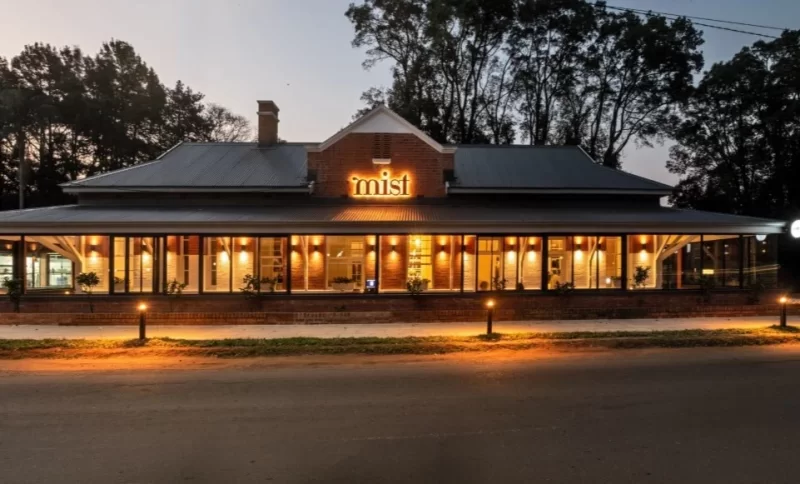
The Vision Behind MIST
Wyatt & Baker Architects specialise in commercial, hospitality and high-end residential architecture. Based in Kloof for 13 years, the practice has experience working with heritage buildings, including the extension and refurbishment of Hartford House in the Midlands.
The practice was appointed to repurpose and refurbish the historic Gillitts Railway Station into MIST: a contemporary African restaurant owned by Nhlakanipho (Nipho) and Liyana Tembe through the Liyana Tembe Group.
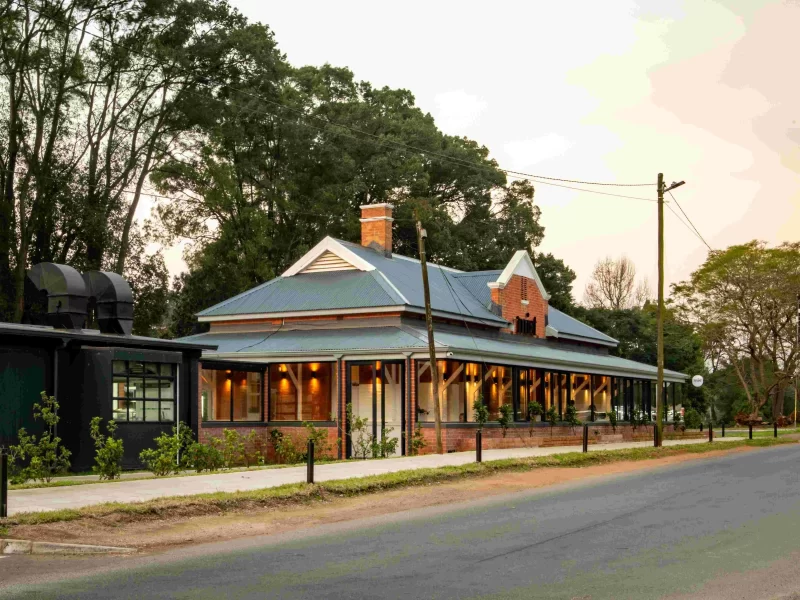
The brief was to create an elevated, considered space while remaining warm, welcoming, and connected to the community. Gillitts Station has been part of the Upper Highway for generations, and MIST gives people a reason to experience this beautiful landmark again.
MIST’s philosophy centres on the future of African gastronomy, celebrating where we come from while presenting African food, creativity and hospitality in a contemporary, forward-looking way. Wyatt & Baker Architects take us behind the transformation, sharing how the historic building was restored and reimagined as a contemporary African restaurant rooted in its community.
The Project
A heritage building of this calibre doesn’t come around often, so research and sensitivity were essential. We strongly felt the building should dictate the design rather than the design overpowering it. For example, the original roof colour was grey, so we returned the later green roof to its original charcoal colour.
Nhlakanipho and Liyana Tembe had admired the old Gillitts Railway Station for years and understood that restoring it meant becoming custodians of a piece of local history.
When we first took over, however, the building had been badly neglected and vandalised, with people living inside and piles of dirt and rubble throughout. Beneath the neglect, the original brickwork, architecture and character remained, and we knew there was something worth saving.
The first stage was to clean, repair and restore the building while retaining its historic identity. From there, the project became a balance between restoration and reinvention.
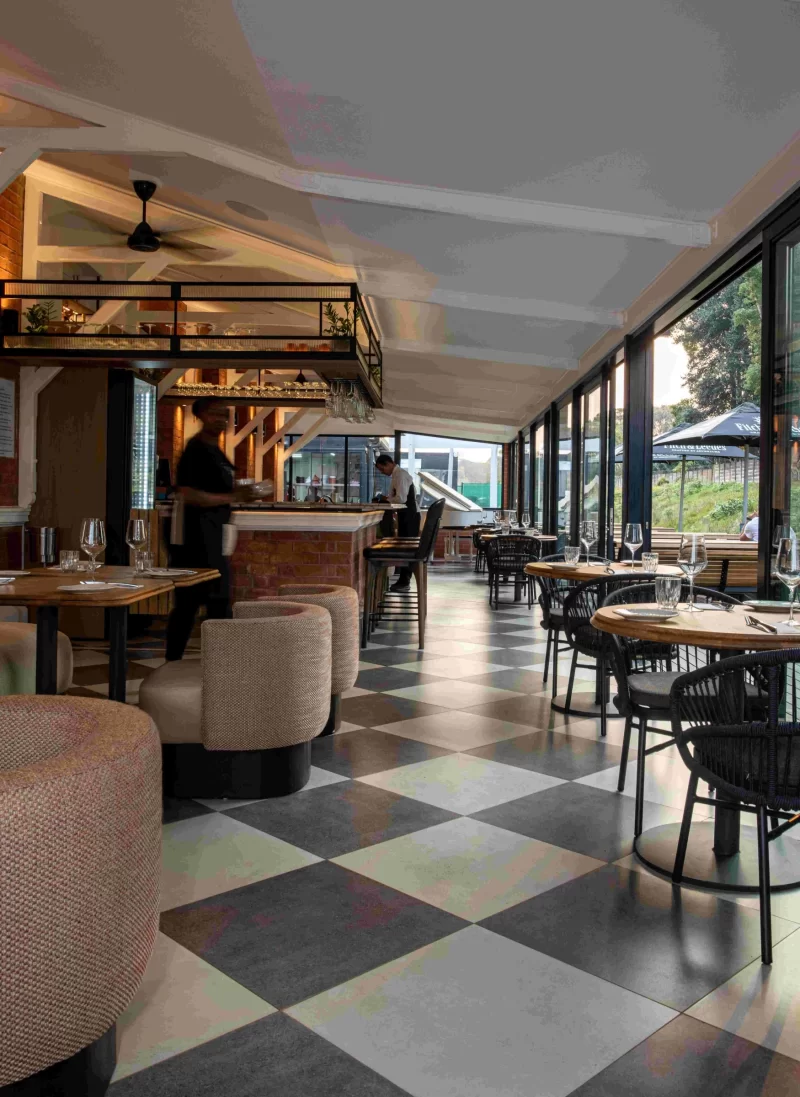
Using glass on the exterior accommodated additional dining space while keeping the original building visible. The team carefully matched the existing brickwork, while repairing and retaining the pressed ceilings and exposed timber beams. Kitchen windows allow interaction between diners, passers-by and the chef at work.
It was a collaborative process involving architects, designers, contractors, artisans, suppliers and creatives. Steven de Kock from PDK was the contractor and builder.
The Design Aesthetic
We would describe MIST as contemporary, warm and sophisticated, set within the character of a historic railway station.The client was intentional about not wanting the space to be interpreted too literally as an African-themed restaurant. Instead, the original brickwork was allowed to be the star, with neutral, contemporary furniture, lighting, colours and textures complementing it.
The African identity comes through in more considered ways, particularly through the artwork and craftsmanship. KwaNongoma ceramicist Thami Zulu handmade most of the crockery, giving each piece individuality and a genuine connection to African craftsmanship.
For us, that is where Africa really shines at MIST: through artistry, food and the pieces guests interact with throughout their experience.
Bringing the Vision to Life
Wherever possible, we wanted to restore and celebrate the station’s original features. The fireplaces, for example, were restored and the cast iron features retained and carefully repainted.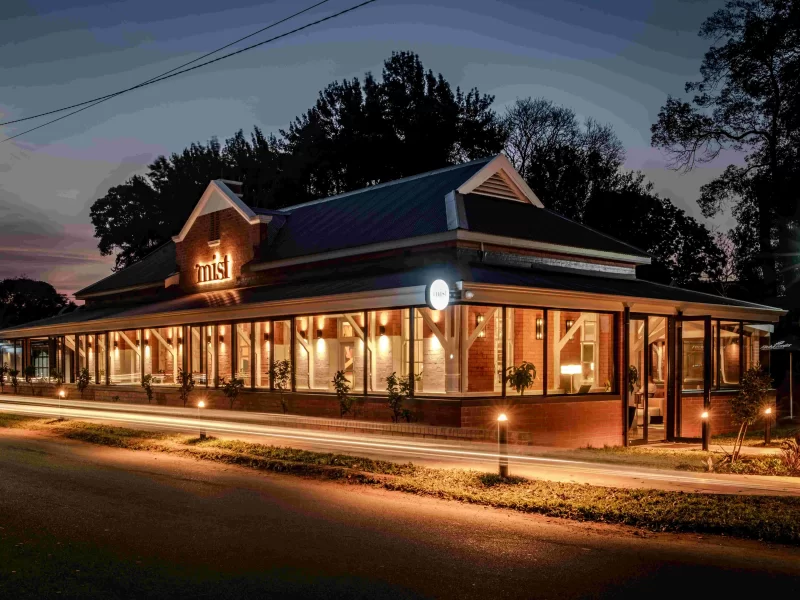
Contemporary furniture, layered textures, considered finishes and warm lighting soften the strength of the brickwork and create intimacy. The restrained palette allows the architecture to remain visually dominant.
Lighting was particularly important. During lunch, natural light highlights the architecture, while in the evening the restaurant becomes softer, warmer and more intimate.
The artwork introduces contemporary African creativity without relying on obvious motifs, while the handmade KwaNongoma crockery carries that story through to the table.
Creating a Timeless Experience
Gillitts Station already had something we could never recreate: history, character and beautiful original architecture. The red brick became the natural starting point.We wanted MIST to feel timeless rather than trend-driven. Its African identity is expressed through food, artwork and craftsmanship rather than literal décor, while the interior provides sophistication without formality and warmth without heaviness.
There was also something meaningful about taking a building originally designed as a place of arrival and departure and turning it into somewhere people come together and linger. The station once connected people through travel; today, MIST connects people through food, conversation and shared experiences.
Materials, Textures & Finishes
Our choices were guided by the original architecture. Warm wood tones and a neutral palette complement the red brick, while brown wooden flooring and Kit Kat tiles create cohesion. Stone features on the bar counters and selected tables, with red veining chosen to pick up the tones of the original brick. Brass accents add refinement, while glass doors bring lightness and transparency.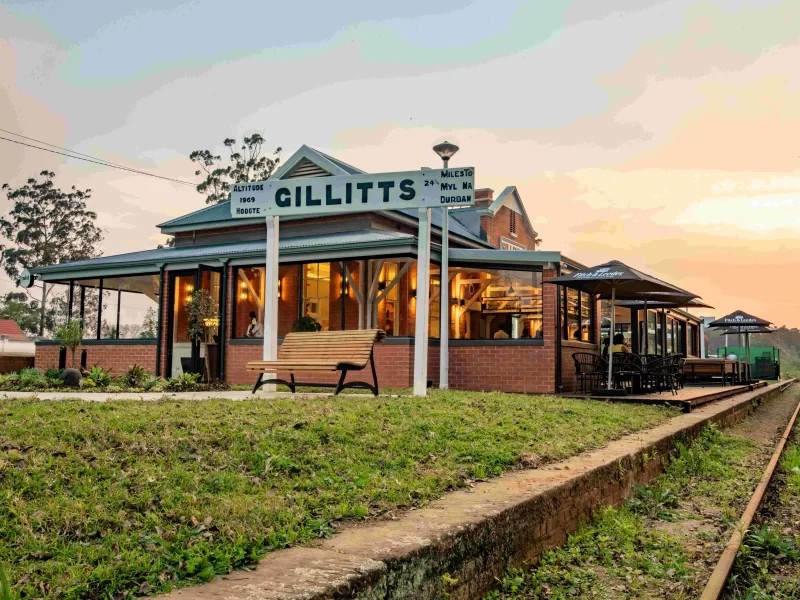
Durability was equally important. MIST is a working restaurant, so materials needed to be beautiful while performing in a busy hospitality environment.
The Wow Factor
It will always be the transformation of the station itself. When we remember the condition in which we found the building – vandalised, neglected and almost forgotten – and then walk through it today, the contrast is incredibly powerful.You can design a beautiful new restaurant, but you cannot manufacture history. The original brickwork, restored fireplaces, proportions and railway heritage give MIST a soul that can’t be created from scratch.
Perhaps the most rewarding part is simply seeing Gillitts Station alive again: filled with people, conversation, music and food.
We didn’t simply restore an old railway station; we brought an important local landmark back to life and gave it a new purpose, while allowing its history to continue into a new chapter.
https://www.instagram.com/mist.gillittsstation/?hl=en
Enjoyed this? See more from The Hill Magazine in your Google results.